What is Carburizing Treatment?
Carburizing is a heat treatment process used to increase the surface hardness and wear resistance of steel components. It is commonly applied to parts that must withstand high stress, friction, and repeated mechanical loads, such as gears, shafts, bearings, and automotive drivetrain components.
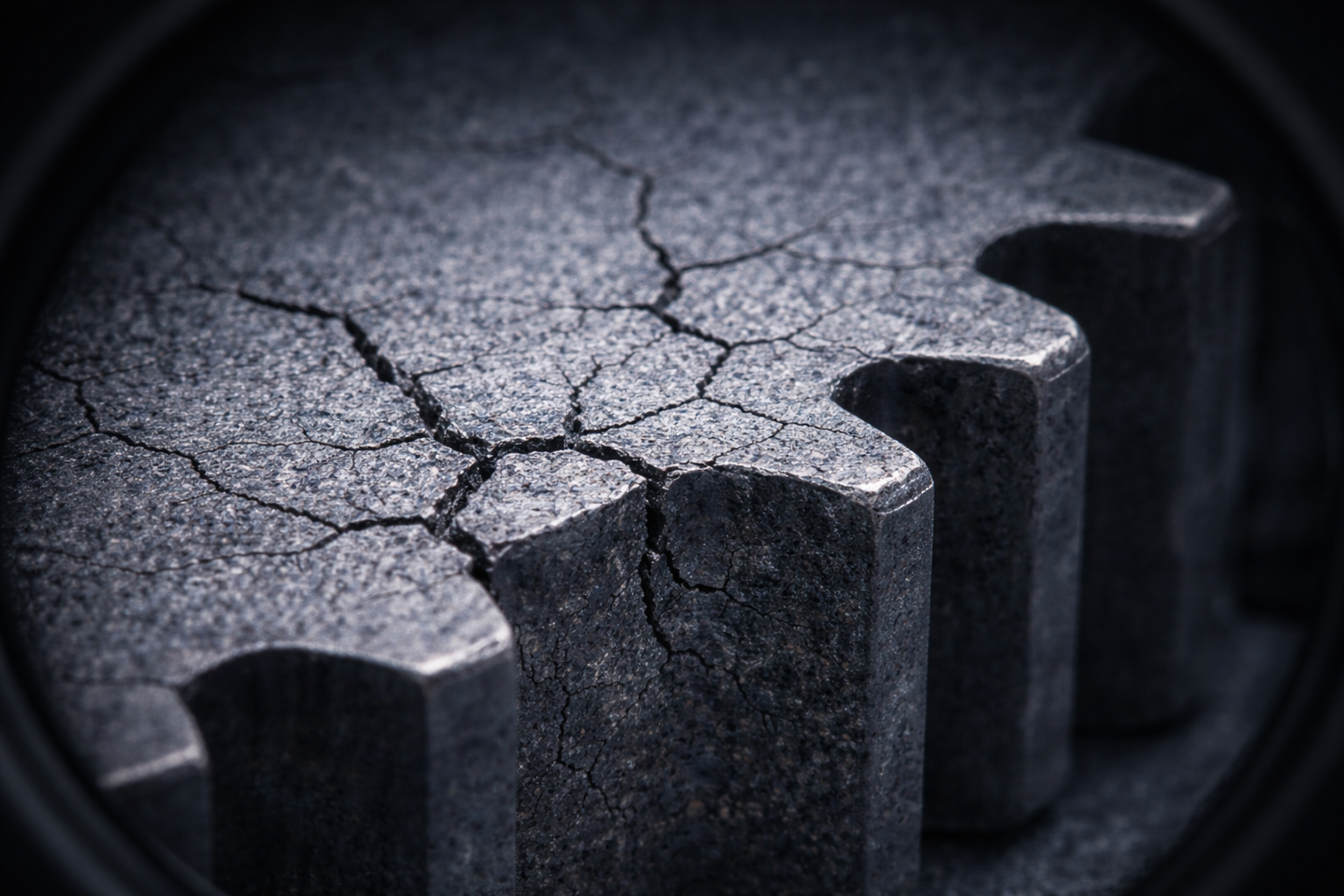
During operation, metal fatigue often begins at the surface of a component, where maximum shear stress occurs. Over time, this can lead to surface cracking and eventual part failure. For this reason, the mechanical properties of the surface layer are critical to the durability and long-term performance of metal parts.
Carburizing strengthens this surface layer by enriching it with carbon and then rapidly cooling the material through a quenching process.
Purpose of Carburizing and Quenching
The primary goal of carburizing and quenching is to create a hardened outer surface while maintaining a tough and ductile core.
During the carburizing process, the surface carbon content is increased to approximately 0.7–0.9% carbon, which allows the outer layer of the steel to transform into a martensitic structure during quenching. Martensite is a very hard microstructure that significantly improves surface hardness.
This hardened surface layer provides several important benefits:
• Increased wear resistance
• Improved fatigue strength
• Greater surface hardness
• Extended component lifespan
These improvements make carburizing an ideal treatment for components subjected to repeated stress and high-load operating environments.
Carburizing Process
Carburizing occurs when low-carbon steel is heated to high temperatures where the metal structure transforms into austenite. In this state, the material can absorb carbon from the surrounding atmosphere.
When the heated steel is exposed to a carbon-rich carburizing gas, carbon atoms diffuse into the surface of the material. This process gradually builds a high-carbon outer layer while maintaining the lower carbon content within the core of the component.
As a result, the component develops a hard, wear-resistant surface combined with a strong and impact-resistant interior.
Several carburizing methods are used in industry, including:
• Solid carburizing
• Liquid carburizing
• Gas carburizing
Among these methods, gas carburizing is the most widely used due to its excellent process control, consistency, and ability to treat large production volumes. Dowa North America utilizes advanced gas carburizing technology with automated furnace systems to ensure precise and repeatable heat treatment results.
Benefits of Carburizing
Carburizing heat treatment provides several advantages for critical metal components:
• Superior surface hardness
• Increased wear resistance
• Improved fatigue strength
• Longer service life of components
• Reliable performance under high mechanical stress
These benefits make carburizing one of the most widely used surface hardening processes in modern manufacturing.
Carburizing method
Gas carburizing
Carburizing reaction
Method to mix the source gas such as propane or butane with air and conduct carburizing using endothermic metamorphic gas that reacted in the gas generator as carburizing gas.
What is Heat Treatment?
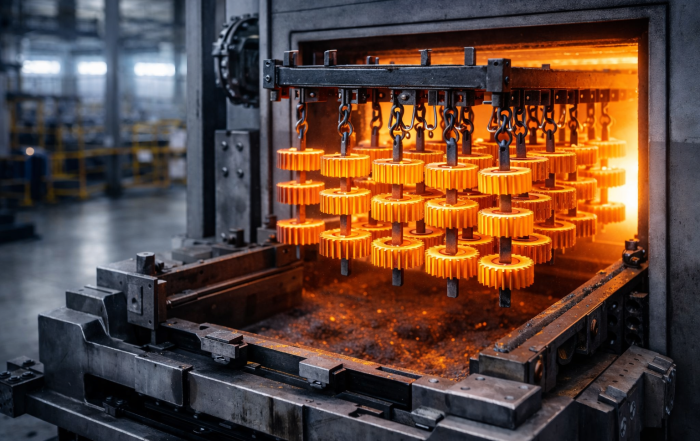
Heat treatment is a controlled industrial process used to alter the mechanical properties of metals, including hardness, strength, durability, and wear resistance. By carefully heating and cooling materials under controlled conditions, manufacturers can optimize metal components for specific performance requirements.
What is Carburizing Treatment?
Carburizing is a heat treatment process used to increase the surface hardness and wear resistance of steel components. It is commonly applied to parts that must withstand high stress, friction, and repeated mechanical loads, such as gears, shafts, bearings, and automotive drivetrain components.
What is Carbonitriding Treatment?
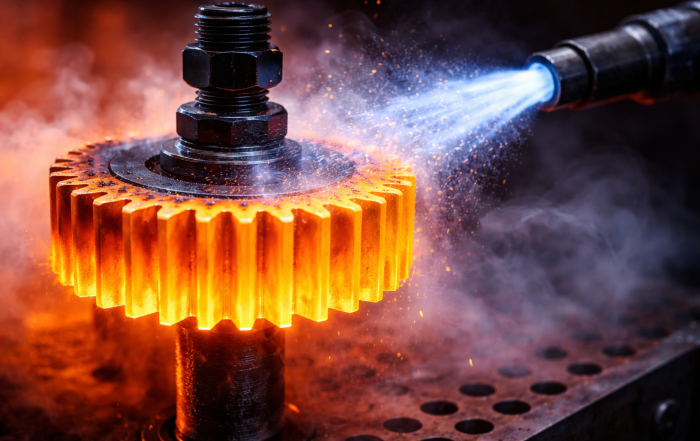
Carbonitriding is a thermochemical heat treatment process used to increase the surface hardness and wear resistance of steel components. The process introduces both carbon and nitrogen into the surface layer of the metal, creating a hardened case while maintaining a tough, ductile core.